Quick Facts
Leeds’s Crime Rate: 108 crimes per 1,000 people. This is 50% higher than the national average.
Most Dangerous Areas:
- Killingbeck & Seacroft: 227 crimes per 1,000 people.
- Gipton & Harehills: 213 crimes per 1,000 people.
- Middleton Park: 212 crimes per 1,000 people.
Safest Areas:
- Harewood: 53 crimes per 1,000 people.
- Garforth & Swillington: 57 crimes per 1,000 people.
- Otley & Yeadon: 85 crimes per 1,000 people.
Most Common Crimes: Violence and sexual offences, Public order, and Burglary.
Source: Crimerate
Table of Contents
Is Leeds Safe?
Leeds still faces more crime than many UK cities. Yet the numbers now show a slow shift in the right direction. Early 2026 figures place the city at 108 crimes per 1,000 people; this is still high.
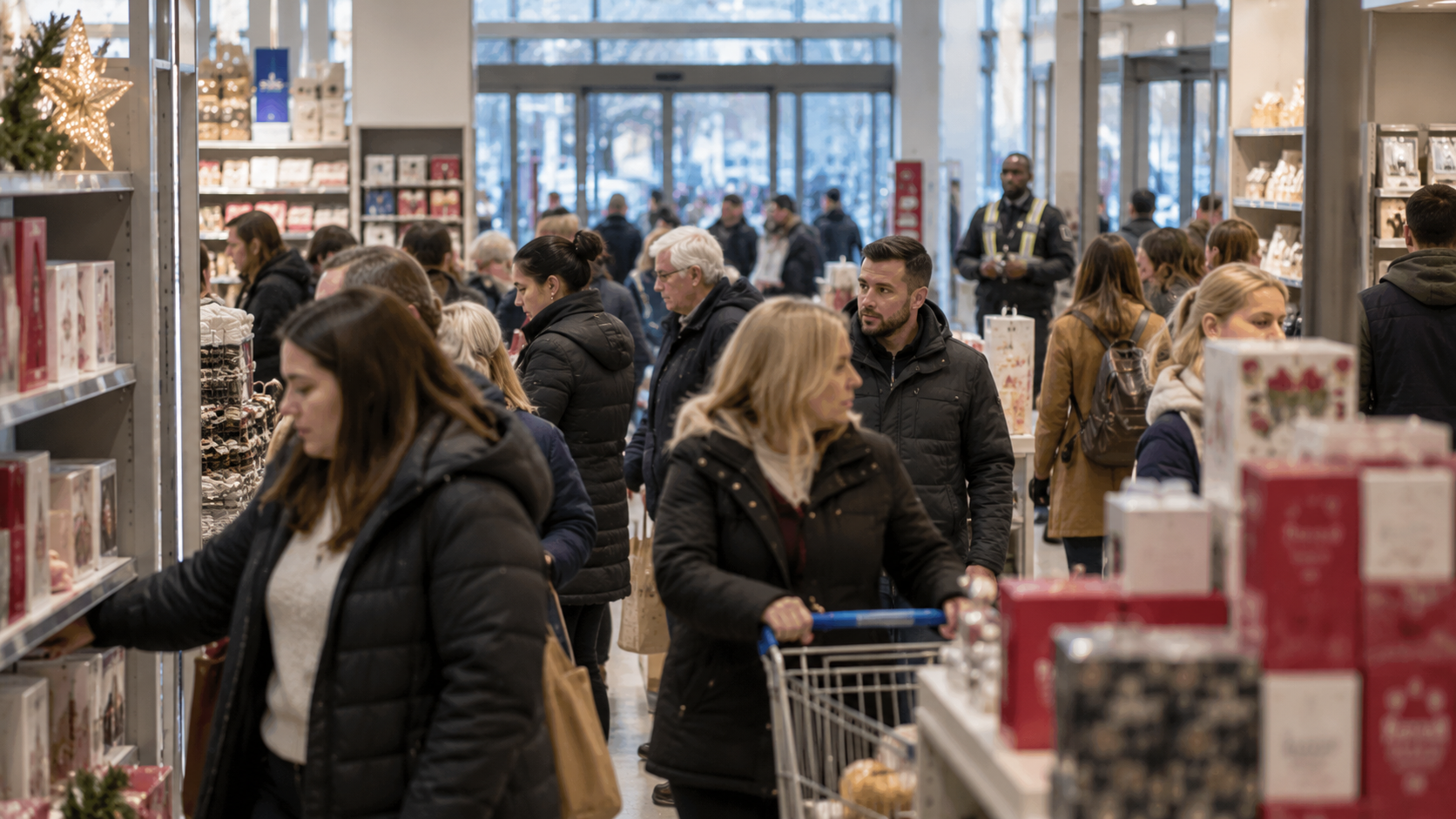
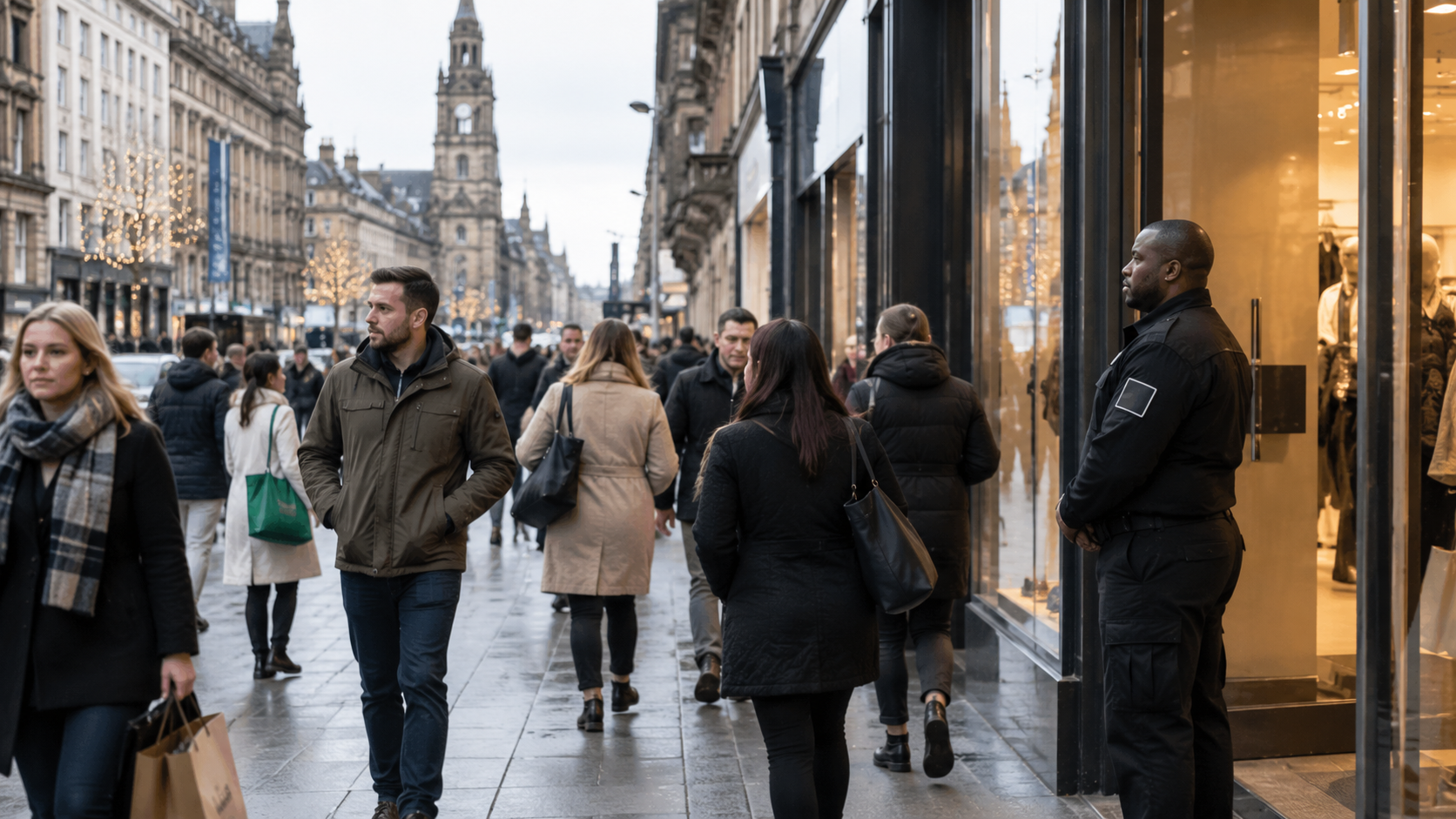
Some parts of Leeds continue to see trouble, mainly busy nightlife zones and crowded shopping areas. Leeds is not crime-free, but safety conditions are improving bit by bit.
The latest reports show crime risk dropped by 2.8% over the last year. Longer-term data also points to steady progress. Over five years, the overall risk level fell by 1.1%. Leeds is not crime-free, but safety conditions are improving bit by bit.
Is Leeds a Safe Place to Live?
Leeds has good areas and rough ones. Safety often depends on the postcode. Alwoodley, Garforth, and Otley usually report lower crime and quieter streets. Alwoodley records roughly 35 crimes per 1,000 people, which is far below many parts of the city. Families often move there for that reason alone.
Other districts struggle more. Killingbeck & Seacroft, Gipton & Harehills, and Middleton Park continue to record heavy crime levels. Break-ins, street disorder, and theft remain common worries in those areas. Many residents use cameras, alarms, or extra locks at home. https://www.youtube.com/watch?v=hugZR5kQXRE
What Are the Most Common Crimes in Leeds?
Leeds still deals with common city crime. Busy shopping streets and nightlife areas see the most trouble. Some offences remain high, though recent figures show signs of improvement across the city.
Violence and Sexual Offences:
Police recorded 36,894 incidents recently. This remains the largest crime group in Leeds. Numbers have fallen slightly since last year, which points to slow progress.
Public Order Offences:
7,571 cases were reported across the city. Most happen in crowded places, especially near bars, transport hubs, and busy public spaces.
Shoplifting:
Retail theft continues to hit Leeds businesses hard. Current figures show shoplifting happens far more often here than the national average. Many retailers now rely on stronger security measures.
Burglary:
4,942 break-ins were reported during the latest period. Some neighbourhoods continue to face higher risks than others, especially residential areas with repeat offences.
Robbery:
Robbery rates have started climbing again. Reports rose by 12%, mainly in crowded locations with heavy foot traffic.
Leeds has still seen overall improvement. Crime levels dropped from 128 to 108 crimes per 1,000 people.
Is Crime in Leeds Increasing?
Leeds’s latest crime figures show mixed results across the city. Some offences have declined steadily. Others are now rising and creating fresh concerns in certain areas. Recent data from Plumplot, updated in April 2026, highlights several positive changes:
- A 12.8% drop in public order offences.
- An 11.9% decrease in theft from the person.
- A 6.8% fall in burglary, though it still remains far above the national average.
- A 6.5% reduction in criminal damage and arson cases.
- A 5.7% decline in shoplifting across the city.
These figures suggest recent policing efforts and local safety schemes are starting to make an impact in some areas of Leeds.
Some crime categories are still moving in the wrong direction. Drug offences recorded the sharpest increase, rising by 13.4% over the last year. Robbery also climbed by 11.5%, while possession of weapons increased by 10.1%.
What Are the Most Dangerous Areas in Leeds?
Leeds has several areas with higher crime levels than the city’s average. Busy districts usually report more theft, violence, and anti-social behaviour. Recent 2026 figures highlight the parts of Leeds with the highest offence rates.
- Leeds City Centre: 12,716 offences were recorded here, making it the highest-volume crime area in the city.
- Killingbeck & Seacroft: The area records roughly 227 crimes per 1,000 people.
- Gipton & Harehills: Crime levels stand at around 213 incidents per 1,000 people. P
- Middleton Park: Around 212 crimes per 1,000 people were reported recently.
Many offences still happen in specific hotspots rather than across whole neighbourhoods. Large parts of these communities remain settled and residential.
What Are the Safest Areas in Leeds?
Leeds is home to several safe, community-oriented neighbourhoods that are perfect for families, professionals, and students. These areas offer a mix of security, green spaces, and local amenities, providing a high quality of life. Some of the standout neighbourhoods include:
- Alwoodley: 35 crimes per 1,000 people.
- Garforth: 49 crimes per 1,000 people.
- Otley: 53 crimes per 1,000 people.
These neighbourhoods are known for their peaceful environments, convenient amenities, and strong sense of community. Currently, Alwoodley ranks as the third safest small town in all of West Yorkshire, with a crime rate that is 51% lower than the national average.
How Does Leeds Compared to Other UK Cities?
Over the past year, Leeds has recorded one of the highest crime rates in West Yorkshire. The city currently stands at 108.47 crimes per 1,000 people, placing it above several major UK cities. Current comparisons include:
- London: Approximately 95 crimes per 1,000 people.
- National Average (England, Wales, and Northern Ireland): 72 crimes per 1,000 people.
- Birmingham: 104.44 crimes per 1,000 people.
- Nottingham: 104.26 crimes per 1,000 people.
- Bristol: 102.03 crimes per 1,000 people.
Violent crime also remains a concern across Leeds. Police recorded 36,894 violent offences during the last year, giving the city a rate of 46 crimes per 1,000 people. Leeds still ranks below places such as Bradford and Blackpool for violent crime levels, though burglary and robbery rates continue to sit above the national average.
How Does Leeds Compare Globally?
Leeds currently holds a safety index score of 54.54 on Numbeo’s global rankings. That places the city close to places such as Rome, which scores 51.0, and Stockholm at 53.8. Cities like Lisbon and Madrid still rank far higher for perceived safety, both recording scores of 70.1.
Public opinion around crime in Leeds remains mixed. Numbeo currently rates “Crime increasing in the past five years” at 66.81, which falls into the high category. The city’s overall “Level of Crime” score now sits at 51.03, rated as moderate.
These figures suggest Leeds has made some progress in recent years. Even so, concerns around rising crime and public safety still shape how many people view the city.

How to Stay Safe in Leeds: Practical Tips
Whether you’re a resident or a business owner, there are several steps you can take to reduce the risk of becoming a victim of crime:
For Residents
- Secure Your Home: Install high-quality locks, reinforce doors, and ensure your property is well-lit to deter intruders.
- Invest in Security Technology: CCTV cameras and alarm systems can act as strong deterrents and help monitor suspicious activity.
- Protect Your Belongings: Keep valuables out of sight, whether inside your home or in your vehicle, to lower the risk of theft.
For Businesses
Businesses, especially in higher-risk areas, should consider professional security services, including:
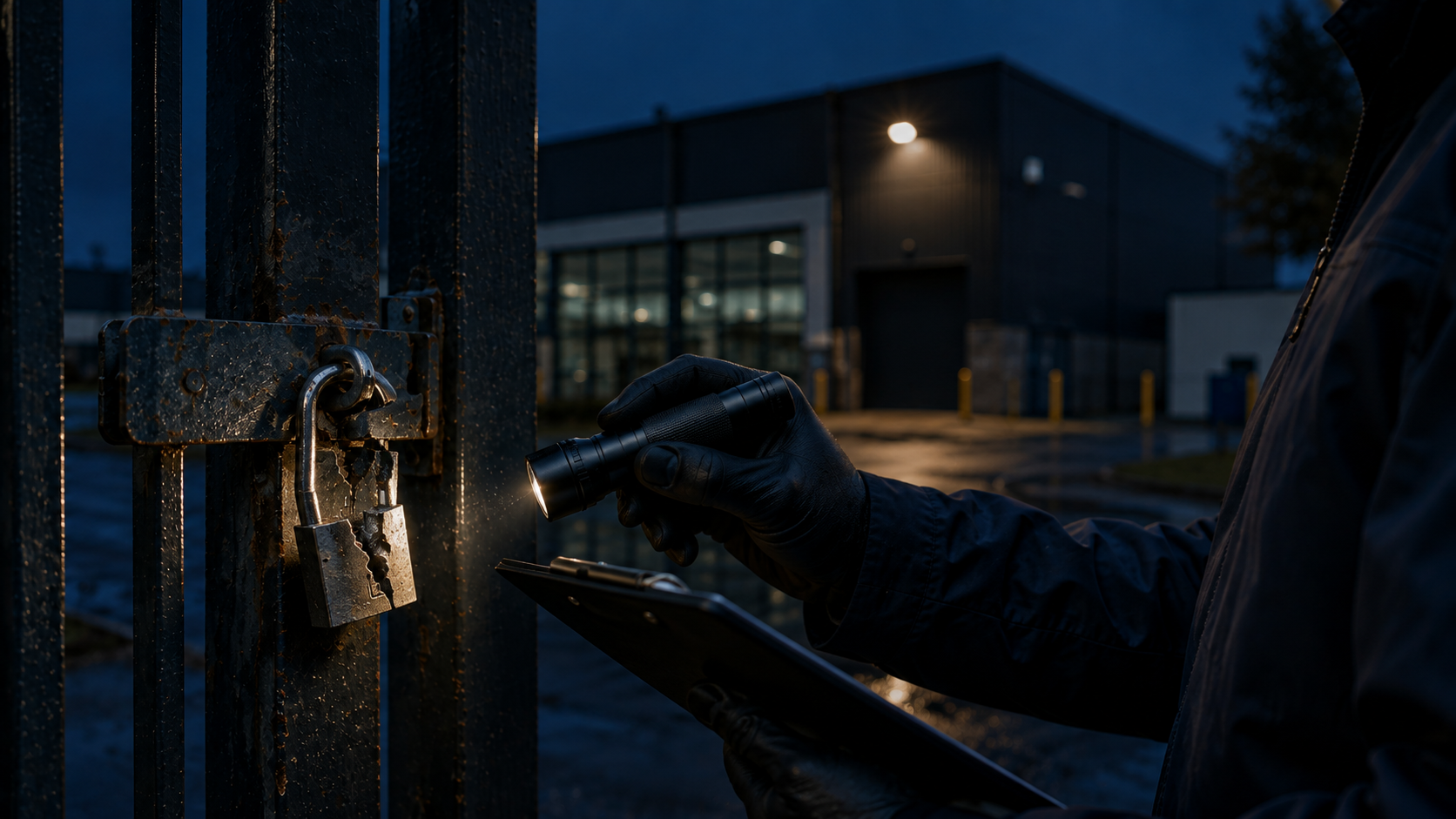
- Alarm response and keyholding services for peace of mind during off-hours.
- Mobile patrols to deter potential criminals with a visible security presence.
- On-site security personnel to provide continuous protection and ensure the safety of staff and customers.
Conclusion: How Safe is Leeds?
While some areas of Leeds experience higher crime rates, the city also boasts several neighbourhoods known for their safety and sense of security. However, it’s important to note that Leeds is considered the most dangerous city in West Yorkshire.
Despite having crime rates above the national average, many parts of Leeds remain safe and offer a comfortable living environment. By staying informed and following basic safety precautions, residents and visitors can enjoy everything the city has to offer with confidence.
Choose Region Security Guarding for Reliable Security Solutions in Leeds
At Region Security Guarding, we have been committed to protecting Leeds’ residents and businesses for over a decade. As a leading provider in the security industry, we offer unmatched expertise and qualifications:
- SIA-accredited professionals delivering top-quality service.
- 24/7, year-round protection for your business.
Whether you need SIA-licensed security guards, mobile patrols, or bespoke security solutions, our team is here to assist.
Contact us today to find out how we can help keep you safe in Leeds.
Frequently Asked Questions
Is Leeds safer than Bradford?
Yes. Leeds reports lower violent crime rates than Bradford, though burglary remains a concern in some districts.
Which Leeds areas feel safest at night?
Alwoodley, Otley, and Garforth are often viewed as safer evening areas because crime levels stay lower there.
Why does Leeds city centre report more crime?
The city centre attracts large crowds, nightlife traffic, shops, and transport users, which increases theft and public disorder cases.
Has crime dropped in Leeds recently?
Yes. Leeds fell from 128 to 108 crimes per 1,000 people, showing steady improvement across several neighbourhoods.
Do Leeds shops face high retail crime?
Yes. Shoplifting rates in Leeds remain above the national average, especially in busy retail zones and shopping centres.